Supply and storage
Record fuel-system condition and leaks, and have suspect tanks, lines or components assessed before operation. Use model-specific guidance for safe inspection.
Use diagnosis and test records to guide the work. Starting an engine is one observation, not proof that a stored car is safe, reliable or ready for the road.
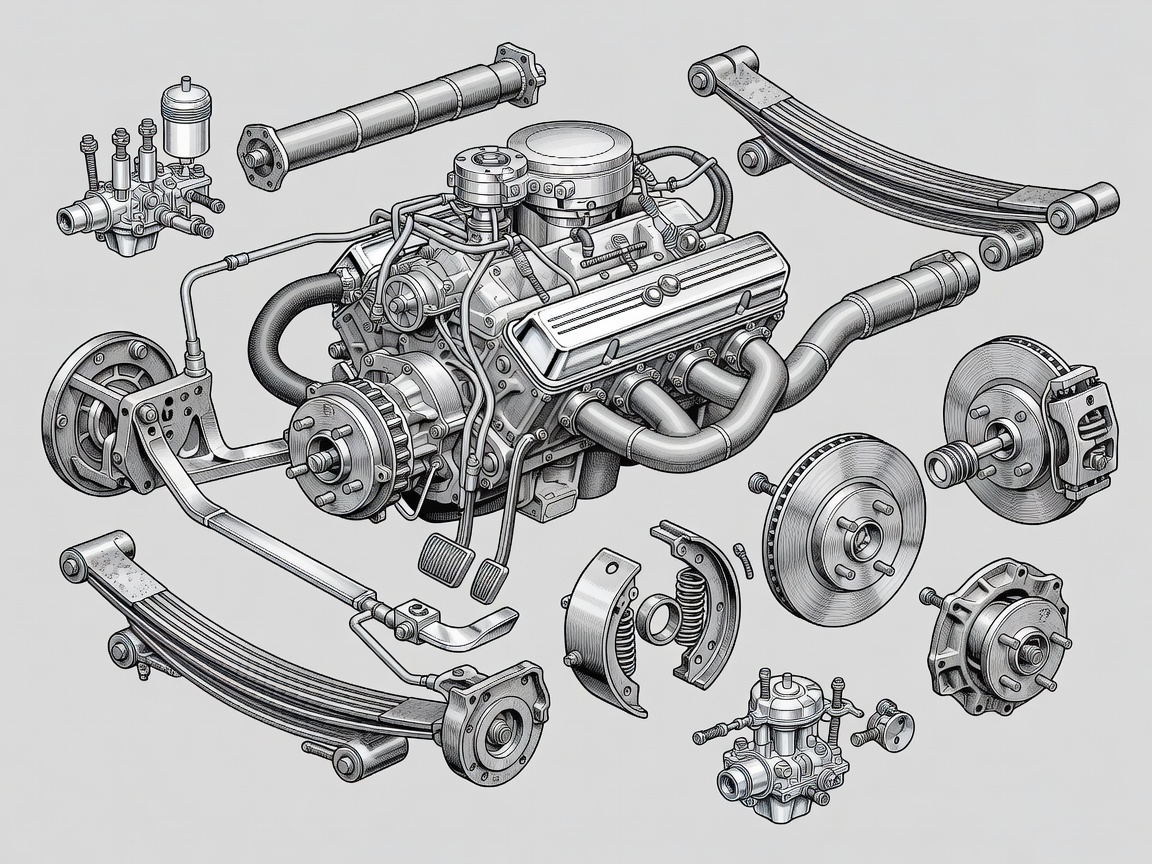
The right order depends on the car’s condition, specification and service history. Use workshop information for the exact model and consult a qualified mechanic for diagnosis or work beyond your competence. This page is a planning framework, not a repair procedure.
Before attempting to run or drive a long-stored vehicle, inspect for obvious hazards and consult a professional about safe recommissioning. Degraded fuel, compromised hoses, seized components, damaged wiring, weak support points or deteriorated braking parts can make a seemingly simple test hazardous. Do not improvise a test that could put you or the vehicle at risk.
Find the correct service literature and identify modifications made by previous owners. Record component markings, part numbers, settings and test conditions. When a result is outside a model’s specified limits, preserve the result and the conditions rather than making undocumented adjustments.
Record fuel-system condition and leaks, and have suspect tanks, lines or components assessed before operation. Use model-specific guidance for safe inspection.
Check the documented configuration, wiring condition and relevant service information. Separate an observed symptom from its possible cause.
Look for leakage, contamination and previous repairs. Confirm the system has been assessed before sustained running or road use.
Have the complete braking system inspected and tested to applicable requirements before any road use. A pedal feel alone is not a full assessment.
Record play, damage or uncertain parts and seek competent inspection. Check the vehicle-specific specification before adjustment.
Document visible wear, corrosion and changes. Use safe lifting methods and qualified help when access or condition is uncertain.
Label non-original wiring and test circuits methodically using appropriate equipment. Protect against shorts and fire risk.
Use correct service procedures and experienced diagnosis. Record fluids, noises, temperatures and any limits on operation.
For each system, note the initial symptom, checks performed, measured result, parts replaced, adjustments made and who completed the work. Preserve invoices and packaging where identification matters. Record what remains unresolved and whether the car should be operated before that issue is reviewed.
Ask suppliers and specialists to confirm application and specification rather than relying on appearance alone. Variants and previous modifications can make apparently interchangeable parts unsuitable.
Engine rebuilding, brake work, steering repairs, electrical faults and other safety-critical jobs may require specialist equipment, inspection and experience. Decide early where you need help. A clear request with photographs, vehicle details and test notes can make that discussion more productive.
Cookies on this site We use necessary cookies to run the site and, with your consent, optional ones to measure visits. You can change this at any time. Read more